Minimally Invasive Thoracic Surgery
Minimally invasive thoracic surgery refers to a range of advanced surgical techniques used to diagnose and treat conditions affecting the lungs, chest wall, mediastinum and diaphragm through smaller incisions than those traditionally used in open surgery.
These approaches may reduce disruption to surrounding tissues while allowing surgeons to perform complex thoracic procedures using specialised instruments and advanced visualisation technology.
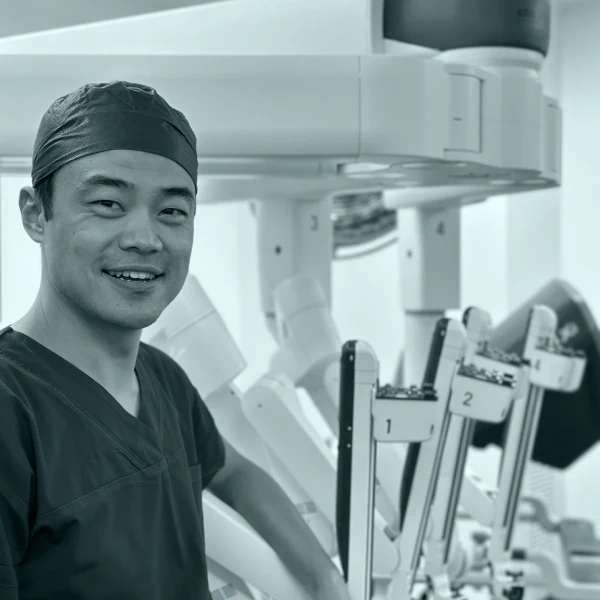
Professor Christopher Cao is an experienced Sydney thoracic surgeon with a strong interest in minimally invasive surgical techniques, including robotic-assisted thoracic surgery and video-assisted thoracoscopic surgery (VATS). He provides assessment and treatment for a broad range of thoracic conditions and works closely with patients and referring practitioners to determine the most appropriate treatment approach for each individual.

What Is Minimally Invasive Thoracic Surgery?
- Robotic-assisted thoracic surgery
- Video-assisted thoracoscopic surgery (VATS)
- Thoracoscopic diagnostic procedures
- Minimally invasive lung surgery
- Minimally invasive mediastinal surgery
Conditions That May Be Treated Using Minimally Invasive Thoracic Surgery
Lung Cancer
Many early-stage lung cancers may be suitable for minimally invasive surgical treatment depending on tumour size, location and patient factors.
Lung Nodules
Investigation and surgical management of lung nodules may sometimes be performed using minimally invasive techniques.
Mediastinal and Thymic Tumours
Selected mediastinal and thymic tumours may be suitable for minimally invasive surgical removal.
Pneumothorax
Patients experiencing recurrent or persistent pneumothorax may benefit from thoracoscopic surgery.
Pleural Disease
Certain pleural conditions may be assessed and treated using minimally invasive procedures.
Diaphragm Disorders
Procedures such as diaphragm plication may be performed using minimally invasive surgical approaches where appropriate.
Types of Minimally Invasive Thoracic Surgery
Robotic-Assisted Thoracic Surgery
Robotic thoracic surgery uses advanced robotic technology to assist surgeons when performing complex procedures through small incisions.
The robotic system provides enhanced visualisation and instrument control while allowing the surgeon to remain fully responsible for every aspect of the procedure.
Video-Assisted Thoracoscopic Surgery (VATS)
VATS involves the use of a small camera and specialised surgical instruments inserted through small incisions in the chest wall.
This approach has become an important technique in modern thoracic surgery and may be used for both diagnostic and therapeutic procedures.
Thoracoscopic Diagnostic Procedures
Thoracoscopic techniques may be used to investigate abnormalities within the chest cavity and obtain tissue samples when required.
Potential Benefits of Minimally Invasive Thoracic Surgery
Every surgical procedure involves potential risks and benefits, and outcomes vary between individuals.
For appropriately selected patients, minimally invasive approaches may offer several potential advantages compared with traditional open surgery.
- Smaller incisions
- Reduced tissue disruption
- Less post-operative discomfort
- Reduced blood loss
- Shorter hospital stay
- Earlier return to daily activities
- Smaller scars
The suitability of minimally invasive surgery depends on the individual patient, the condition being treated and other clinical considerations.
Minimally Invasive Surgery vs Open Thoracic Surgery
Minimally invasive approaches use specialised instruments inserted through small incisions to perform many procedures without the need for a traditional thoracotomy.
While minimally invasive surgery may provide advantages in selected cases, open surgery remains an important and appropriate treatment option for certain conditions.
The most appropriate surgical approach depends on:
What To Expect During Treatment
Initial Consultation
Your consultation includes a detailed review of symptoms, medical history, imaging studies and previous investigations.
Diagnostic Assessment
Further investigations may be recommended, including CT scans, PET scans, pulmonary function testing, cardiac assessment and blood tests.
Surgical Planning
If surgery is recommended, the proposed procedure, expected recovery process and potential risks will be discussed in detail.
Surgery
Procedures are performed in hospital under general anaesthesia using the most appropriate surgical technique for the individual patient.
Recovery
Recovery varies depending on the procedure performed and the patient’s overall health, with ongoing follow-up care provided.
Why Choose a Thoracic Surgeon With Experience in Minimally Invasive Techniques?
Professor Christopher Cao has extensive experience in thoracic surgery and minimally invasive surgical techniques, including robotic-assisted thoracic surgery. In addition to his clinical practice, he has contributed extensively to research, surgical education and academic leadership throughout his career.
His affiliations with leading hospitals, universities and research organisations reflect a commitment to evidence-based patient care and ongoing surgical innovation.
Research in Minimally Invasive Thoracic Surgery
Professor Cao’s published research includes extensive investigation of video-assisted thoracoscopic surgery (VATS) and other minimally invasive approaches, including comparisons of surgical techniques, pulmonary resection and patient outcomes.
Featured Research by Professor Christopher Cao
Video-Assisted Thoracic Surgery Versus Open Thoracotomy
A highly cited systematic review comparing minimally invasive thoracic surgery with conventional open thoracotomy for lung cancer surgery.
Robotic Anatomical Pulmonary Resections: An Australian Experience
One of Australia's largest reported robotic thoracic surgery series, highlighting contemporary minimally invasive pulmonary surgery.
Complications of Robotic Video-Assisted Thoracoscopic Surgery Compared With Open Thoracotomy
A comprehensive meta-analysis evaluating peri-operative outcomes following robotic thoracic surgery compared with conventional open surgery.
Frequently Asked Questions
Related Thoracic Surgery Services
You may also wish to learn more about other thoracic surgery procedures and conditions that Professor Christopher Cao manages.
Discuss Your Thoracic Surgery Treatment Options
If you have been diagnosed with a thoracic condition and would like to understand the treatment options available, including whether minimally invasive thoracic surgery may be appropriate for your circumstances, Professor Christopher Cao welcomes referrals from medical practitioners and enquiries from patients seeking specialist assessment.

