Robotic Thoracic Surgery
Robotic thoracic surgery is an advanced minimally invasive surgical technique used to treat a range of conditions affecting the lungs, chest wall, diaphragm and mediastinum. Using robotic-assisted technology, complex thoracic procedures may be performed through small incisions while maintaining the principles of safe and effective surgery.

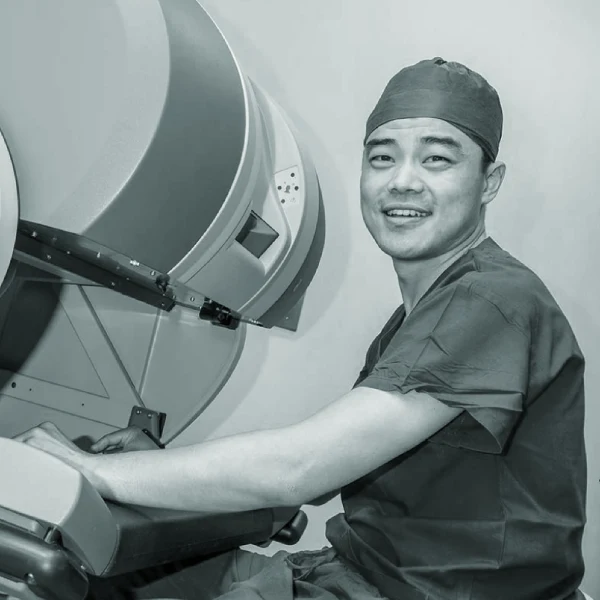
Professor Christopher Cao is an experienced Sydney thoracic surgeon with a particular interest in robotic thoracic surgery and minimally invasive surgical techniques. He consults with patients requiring assessment and treatment for a broad range of thoracic conditions, including lung cancer, thymic tumours, pneumothorax, pleural disease and diaphragm disorders.
What Is Robotic Thoracic Surgery?
Robotic thoracic surgery is a form of minimally invasive surgery performed using specialised robotic-assisted technology. The robotic system translates the surgeon's hand movements into precise movements of surgical instruments inside the chest while providing high-definition three-dimensional visualisation.
Throughout the procedure, the surgeon remains in complete control of the robotic system. The technology is designed to enhance precision, dexterity and visualisation when operating within the chest cavity.
Not every patient or condition is suitable for robotic surgery. The most appropriate treatment approach is determined following a comprehensive consultation and review of each patient's individual circumstances.
Experience in Robotic Thoracic Surgery
Based on publicly available procedural data, Professor Cao has performed more robotic thoracic surgical procedures than any other thoracic surgeon in Australia. His experience spans a broad range of thoracic conditions and includes the use of advanced robotic-assisted techniques for lung cancer surgery, mediastinal surgery, thymic surgery and other complex thoracic procedures.
Source: https://events.device.com.au/connect25/thoracic
Conditions That May Be Treated Using Robotic Thoracic Surgery
Lung Cancer
Robotic surgery may be considered for selected patients requiring lung cancer surgery, depending on tumour characteristics and overall health.
Mediastinal Tumours
Selected tumours located within the mediastinum may be suitable for robotic-assisted surgical removal.
Thymic Tumours
Robotic techniques may be used when performing thymectomy procedures in appropriately selected patients.
Pneumothorax
Patients with recurrent pneumothorax may benefit from minimally invasive thoracic surgery.
Pleural Disease
Selected pleural conditions may be investigated and treated using robotic-assisted surgery.
Diaphragm Disorders
Robotic surgery may also be considered for diaphragm plication and other selected procedures.
Potential Benefits of Robotic Thoracic Surgery
Every surgical procedure carries risks and benefits, and outcomes vary between individuals.
For appropriately selected patients, robotic-assisted surgery may offer several potential advantages compared with traditional open surgery.
Potential Benefits May Include
- Smaller surgical incisions
- Reduced complications
- Less pain
- Reduced blood loss
- Shorter hospital stay
- Earlier return to normal activities
- Improved visualisation during surgery
When Is Surgery Considered For Lung Cancer?
The suitability of surgery depends on several factors, including:
Every patient is different, and treatment recommendations are tailored to the individual.
Robotic Surgery Compared With Traditional Open Surgery
Traditional Open Thoracic Surgery
Traditional thoracic surgery generally involves a thoracotomy, requiring a larger incision and separation of the ribs to access structures within the chest.
Robotic Thoracic Surgery
Robotic surgery is performed through several small incisions using specialised robotic instruments and high-definition imaging technology.
Which Option Is Right For Me?
The most appropriate surgical approach depends on the condition being treated, tumour location, patient anatomy and overall health.
What To Expect During Treatment
Comprehensive Assessment
Your first appointment includes a detailed review of your symptoms, medical history, imaging, and previous investigations. Professor Cao will discuss your diagnosis and whether robotic thoracic surgery may be an appropriate treatment option.
Pre-Operative Planning
If surgery is recommended, additional investigations may be arranged to assess your overall health and assist with surgical planning. These may include CT scans, pulmonary function tests, blood tests and cardiac assessment where appropriate.
Individualised Surgical Planning
Every procedure is carefully planned according to the condition being treated, your anatomy and the most appropriate surgical approach. The proposed operation, potential risks and expected recovery will be discussed in detail before surgery.
Robotic-Assisted Surgery
Your procedure is performed under general anaesthesia using advanced robotic-assisted technology where clinically appropriate. Throughout the operation, Professor Cao remains in complete control of the robotic system while performing the surgery.
Recovery and Ongoing Care
Following surgery, you will receive comprehensive post-operative care, including pain management, mobilisation and follow-up appointments to monitor your recovery and discuss your ongoing treatment plan.
Why Experience Matters
Robotic thoracic surgery is a highly specialised area requiring advanced surgical training and experience.
Professor Christopher Cao underwent robotic thoracic surgical training as part of a formal surgical Fellowship at Memorial Sloan Ketering Cancer Center, one of the oldest and largest cancer hospitals in the world. He has extensive experience in thoracic surgery, minimally invasive surgical techniques and robotic-assisted procedures. In addition to clinical practice, he has contributed extensively to surgical research, education and academic leadership within Australia and internationally.
His affiliations with leading hospitals, universities and research institutions reflect a commitment to evidence-based patient care and ongoing surgical innovation.
Research in Robotic Thoracic Surgery
Professor Cao has contributed to international research examining robotic thoracic surgery, including robotic pulmonary resection, surgical outcomes, complications and the continuing development of robotic techniques.
Featured Research by Professor Christopher Cao
Robotic Anatomical Pulmonary Resections: An Australian Experience
This publication represents Australia's largest reported experience with robotic anatomical pulmonary resections, examining clinical outcomes and demonstrating the growing role of robotic surgery in modern thoracic practice.
Read publication →
Outcomes of Robotic Surgery Compared With Open Thoracotomy
This systematic review evaluated outcomes following robotic lung surgery compared with traditional open thoracotomy for patients undergoing surgery for non-small cell lung cancer.
Video-Assisted Thoracic Surgery Versus Open Thoracotomy
Professor Cao contributed to one of the most widely cited reviews comparing minimally invasive thoracic surgery with traditional open surgery for lung cancer.
Frequently Asked Questions
Related Thoracic Surgery Services
Discuss Your Robotic Thoracic Surgery Treatment Options
If you have been diagnosed with a thoracic condition and would like to understand whether robotic thoracic surgery may be appropriate for your circumstances, Professor Christopher Cao welcomes referrals from medical practitioners and enquiries from patients seeking specialist assessment.
Contact Professor Christopher Cao
