Robotic Thoracic Surgery Is the Present, Not the Future
Surgical innovation · Conference insights
Reflections on innovation, training and collaboration from the 2026 Surgical Robotics & Innovation Summit in Sydney.
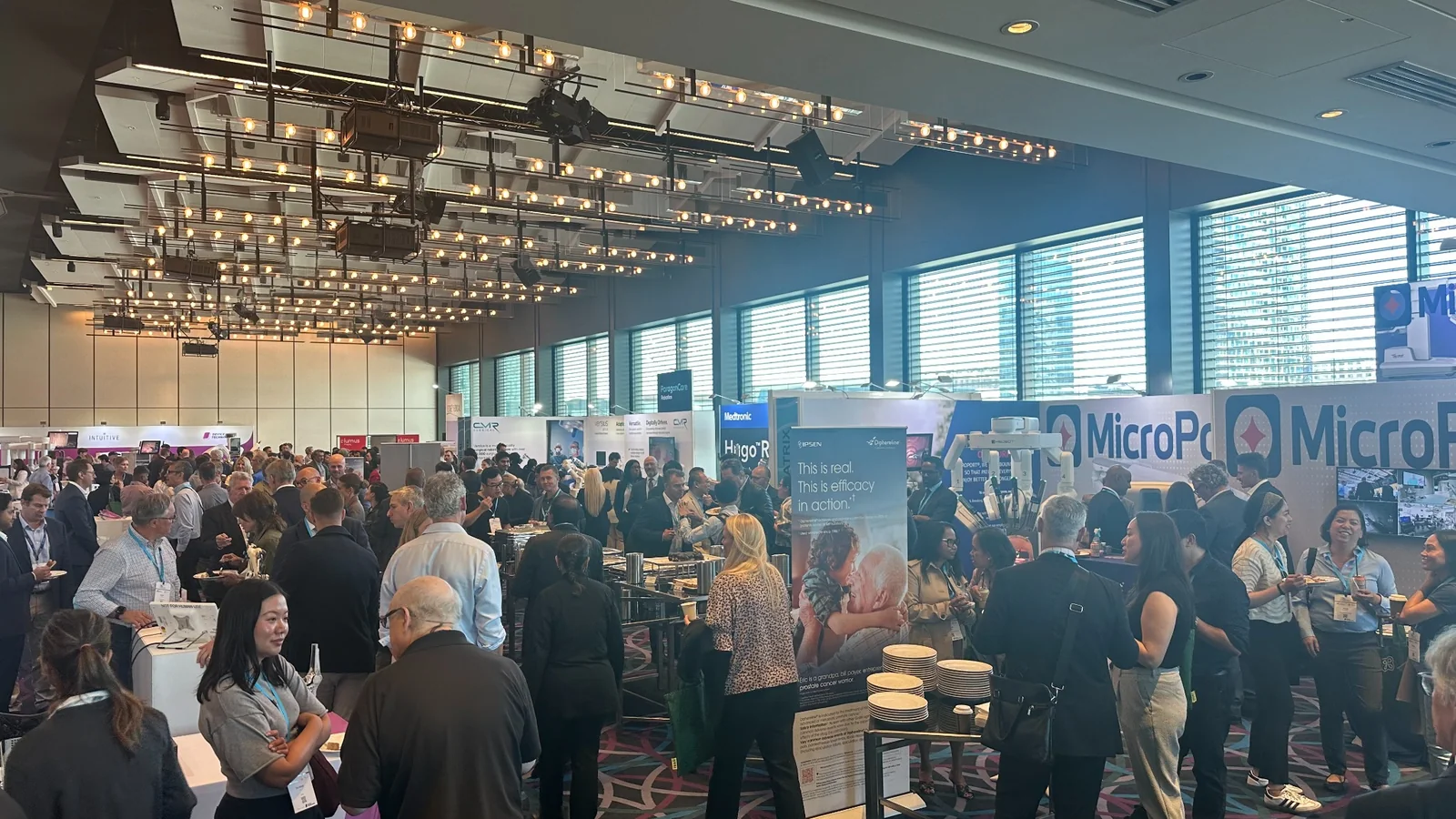
On 23 October 2026, I had the privilege of serving as Thoracic Lead at the Surgical Robotics & Innovation Summit at Hyatt Regency Sydney. The program brought together surgeons from across Australia and New Zealand, alongside international colleagues, to share practical experience and discuss developments in robotic surgery.
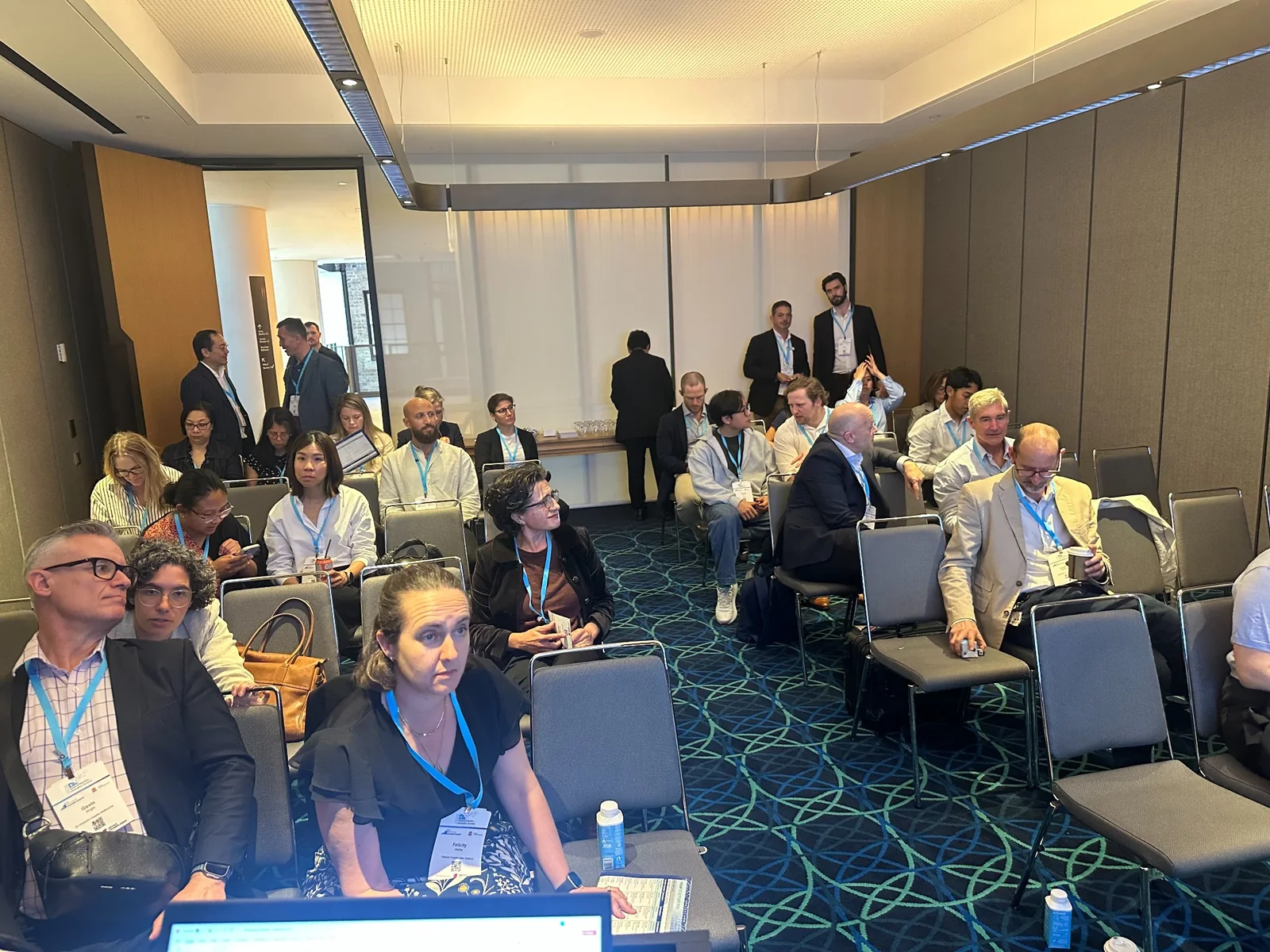
The thoracic and cardiac sessions drew standing-room-only audiences. For me, that level of engagement reflected something important: robotic thoracic surgery is no longer simply a technology we are waiting to adopt. It is already an increasingly significant part of contemporary surgical practice.
“Robot is the present, not the future.”
Several themes stood out over the course of the summit, particularly the growth of robotic surgery, the diversification of surgical platforms, and the value of learning from colleagues across specialties.
Growing adoption means training must evolve
There is genuine interest in robotic thoracic surgery, and I have seen significant growth in procedural volume among established thoracic surgeons. As these techniques become more widely used, I believe exposure to robotic surgery will be increasingly important for surgeons entering the specialty.
Training the next generation will involve more than learning how to operate a robotic system. It will mean understanding where robotic approaches fit within the broader range of surgical techniques, how different systems perform, and how to select the appropriate approach for each procedure.
For that reason, I expect robotic training to become an essential part of future thoracic surgical education.
Different platforms, different possibilities
One of the most valuable aspects of the summit was the opportunity to gain hands-on experience with five different robotic platforms. It also gave me a clearer picture of how these technologies are being adopted across Australia and Asia.
My initial impression was that the established robotic platform currently used in Australia continues to set a high benchmark for articulating instruments. At the same time, other manufacturers are developing different approaches to instrumentation and visualisation, offering surgeons new perspectives on what these systems may be capable of.
I suspect that, as the field develops, the discussion will increasingly shift away from a single platform being appropriate for every situation. Different technologies may offer different strengths, allowing surgeons to consider the right tool for the right procedure.
Of course, new technical capabilities need careful evaluation. The important question is whether they ultimately translate into demonstrable benefits for patients, rather than innovation for its own sake.
Single-port pulmonary resections: a glimpse of what comes next
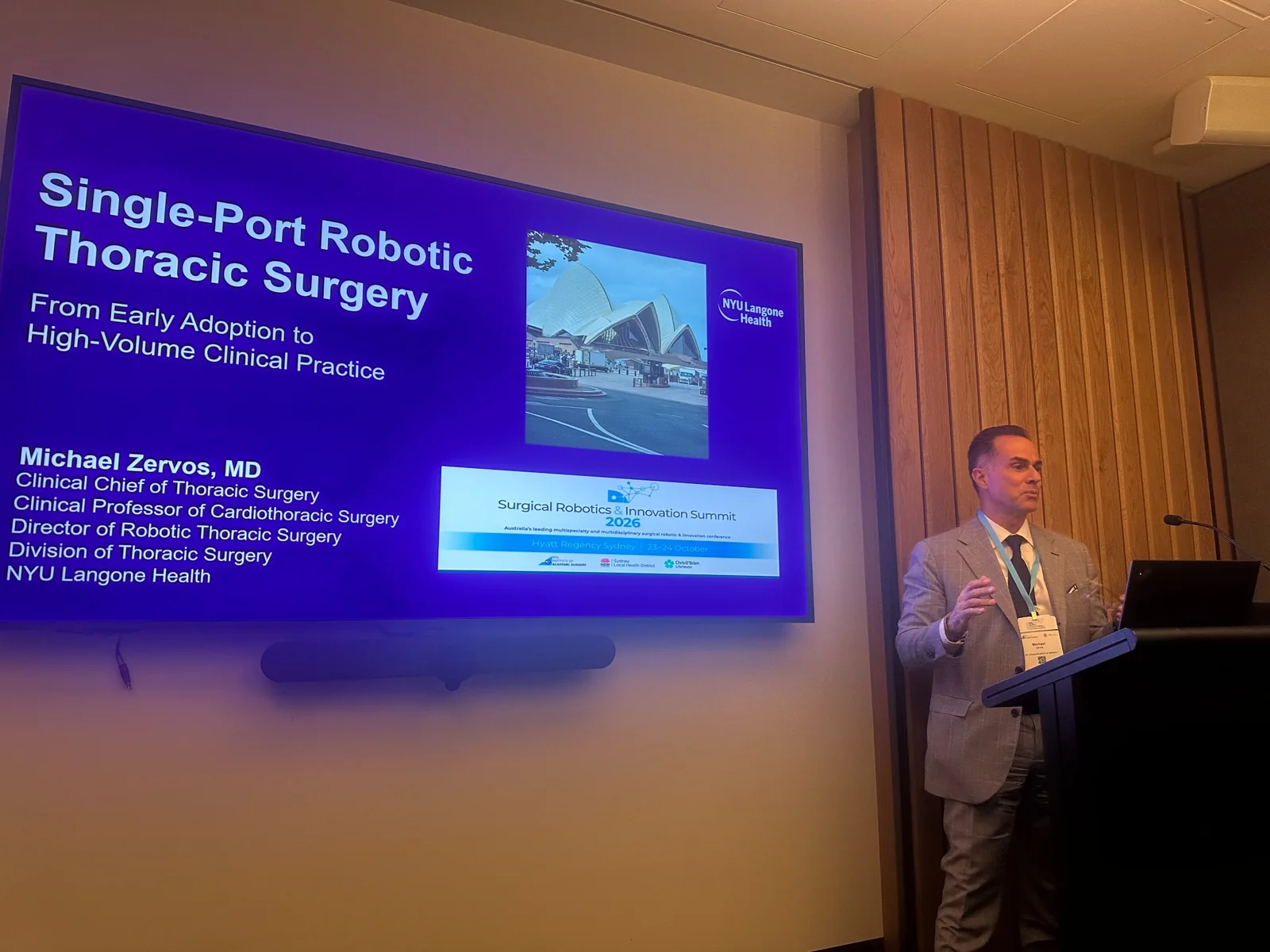
We were fortunate to welcome Dr Michael Zervos from NYU Langone Health, who presented on single-port robotic pulmonary resections. His lecture offered an insightful look at an area of active surgical innovation and gave the audience a glimpse of approaches that may become more prominent in the years ahead.
I was particularly interested in seeing how innovators are continuing to test the boundaries of what robotic systems can do. Sessions like this allow surgeons to learn directly from the experiences of colleagues who are developing and refining newer techniques.
They also provide an opportunity to ask important questions about how emerging approaches should be assessed, taught and incorporated into clinical practice as evidence develops.
The value of learning across surgical specialties
Another encouraging feature of the summit was the exchange of ideas between thoracic and cardiac surgeons.
Thoracic surgeons were able to learn about tools and techniques being used in cardiac surgery. Equally, cardiac surgeons explored how thoracic approaches to dissection of mediastinal tissue may inform techniques involved in harvesting the internal mammary artery.
These conversations were a reminder that innovation is not confined to a single specialty. In a collegiate environment, surgeons can share different ways of approaching familiar challenges and gain insights that might not emerge within their own field alone.
That spirit of collaboration was one of the most rewarding aspects of the meeting.
Looking ahead
The enthusiasm for robotic surgery was evident throughout the summit. With standing room only in the thoracic and cardiac sessions, there was a clear appetite for practical discussion, learning and collaboration among surgeons from across Australia and New Zealand.
My main takeaway is that the conversation has moved beyond whether robotics has a role in thoracic surgery. The more important questions now concern training, selecting technologies thoughtfully, evaluating new techniques and continuing to learn from one another.
I believe the coming years will be particularly interesting as more platforms become available and new approaches, including single-port surgery, continue to develop. I am grateful to the faculty for their outstanding presentations and to everyone who contributed to such a productive and collegiate program.